New Construction Tips
CHOOSE THE RIGHT CONTRACTOR
Hire qualified contractors with a good reputation and experience in the type of construction you are undertaking. Don’t be afraid to ask for references and check their work before hiring them. Establish all your expectations and detail everything you need; do not get into a contract that you do not understand. There should be clear contract terms that give accurate cost estimates and work breakdown. If you plan well and sign a contract with the right builders, you will lay the groundwork for a successful home building process.
Maintain open communication with everyone involved in the construction process. This will ensure that everyone is on the same page and can prevent misunderstandings and mistakes.
COME WITH IDEAS
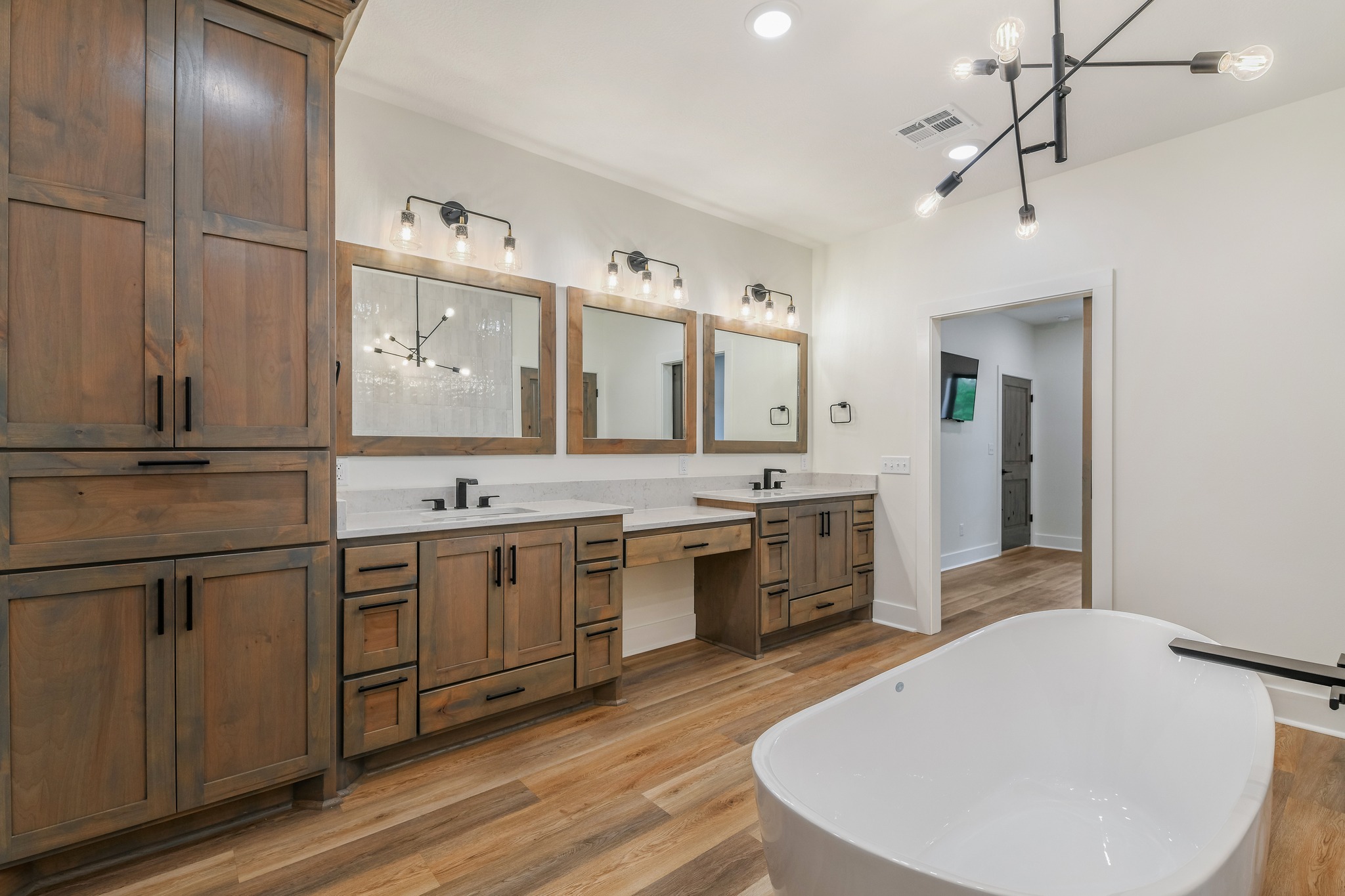
Homebuyers may choose a new-construction home because they want a low-maintenance lifestyle or a chance to customize. Generally, home builders incorporate your insight before developing a plan. They follow your lead and not the other way round. The beauty of a building is that you can customize your project, so always go armed with some inspiration. Careful planning and design are crucial for a successful construction project. Make sure to have a detailed plan that includes all the necessary components of the construction process.
CLARIFY THE PRICE YOU PAY
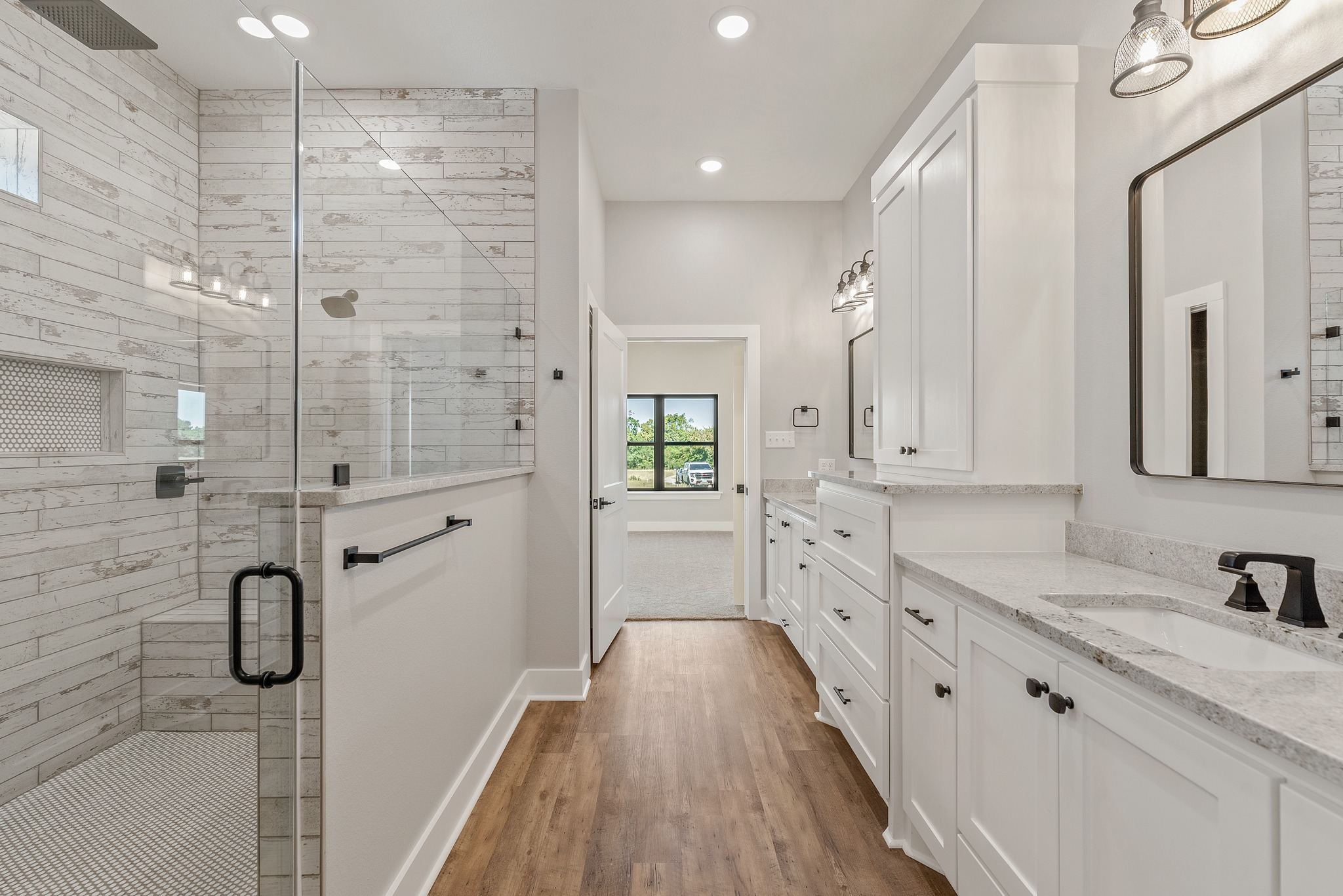
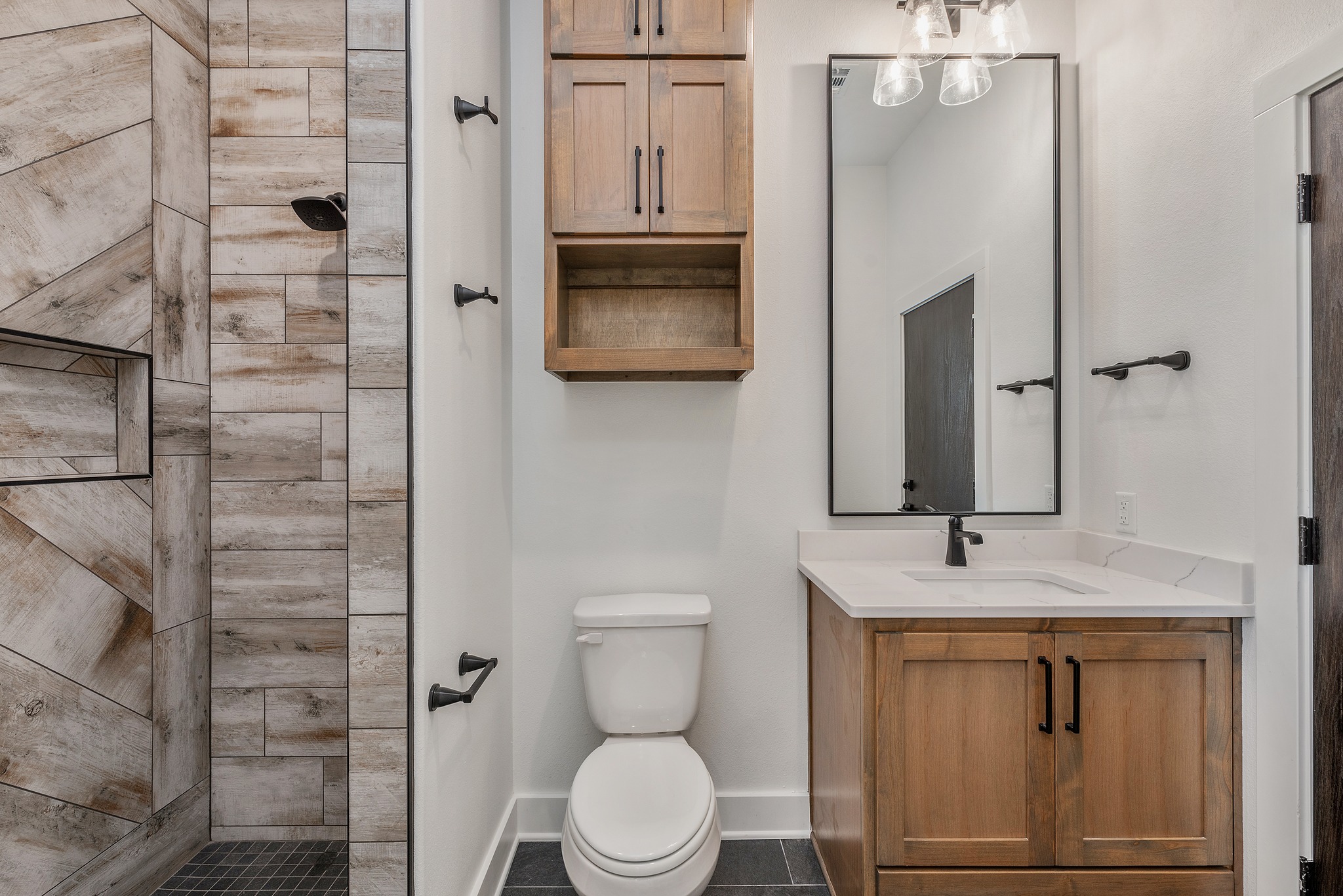
If your new-construction home is built and you can tour it, many aspects of the sale process will resemble an existing-home purchase. If you buy a home that isn’t complete, you may be making decisions based on what you see in a model home. If so, you’ll need to understand what elements come standard vs. which ones are upgrades.
BUDGET FOR UNEXPECTED COSTS
Regardless of what you expect the construction process to cost you, it will probably cost more. New construction almost always comes with a heftier price tag, not only from the upgrades but in general as well. New-construction homes are typically more expensive than resale homes in the same area of similar style.
PLAN FOR DELAYS
Delays not only cost time, but they cost money. This can be anything from design changes, bad weather, material procurement, to loan closing. If delays are just a couple of weeks, there can be minimal impact, but it will run you into heavy losses if they stretch to months.
SORT OUT YOUR FINANCING
A construction loan differs from a traditional loan since the lender does not release all the money at once. Money is released in periodic payments. The lender will need to know how much is necessary for the construction project and releases the money at the end of every construction phase.
While many aspects of the construction loan process will be similar to an existing home’s mortgage application, one of the big differences is that many developers of new-construction homes will have a preferred lender with whom they work. You don’t have to choose them, but there may be valuable incentives for doing so.
You should also be aware that there may be delays in securing your mortgage because the home you’re buying may not be finished on the expected date.
DON’T FORGET THE HOME INSPECTION
On its surface, you might expect that a newly built home would not need a home inspection. However, it hasn’t had time for aging to set in, so subpar workmanship is possible. Schedule regular inspections throughout the construction process to ensure that everything is up to code and that there are no safety hazards. Your home inspector will have an eye for any issues with new homes that you may overlook. When you hire a home inspector for your new-construction home, find an experienced one. By having an agent, they can recommend the right inspector for your home.
Issues discovered during an inspection can be added to a list of requested repairs or modifications before closing, as they are part of the price you’re paying. It’s worth your time and diligence to get these fixes made without charge before moving in. If there are any special requests or upgrades, make sure the developer delivers what they promised.
Overall, thorough planning, attention to detail, and adherence to safety regulations and building codes are essential for a successful and safe new construction project.